The Buddha's Teachings, Tested by Practice and Science
The Five Aggregates
Pañcakkhandhā
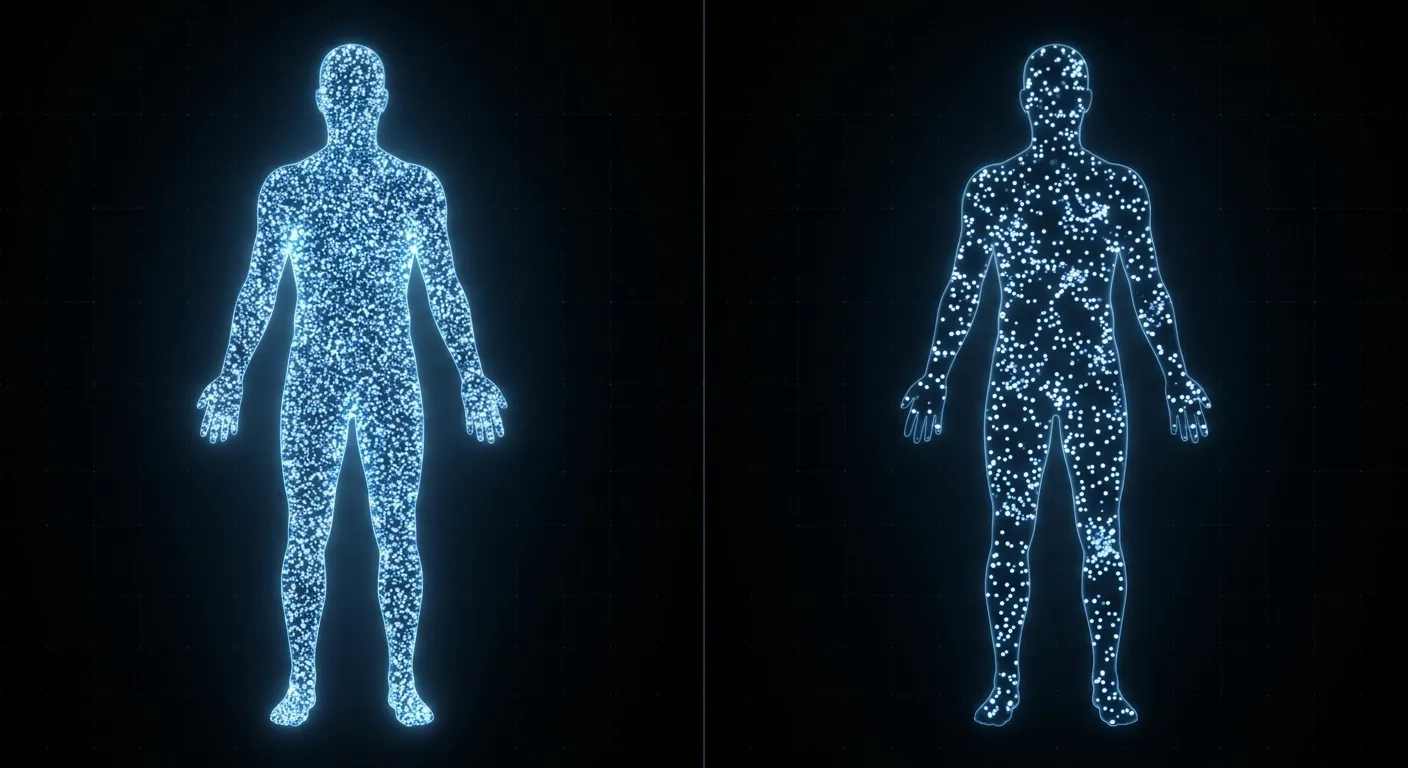
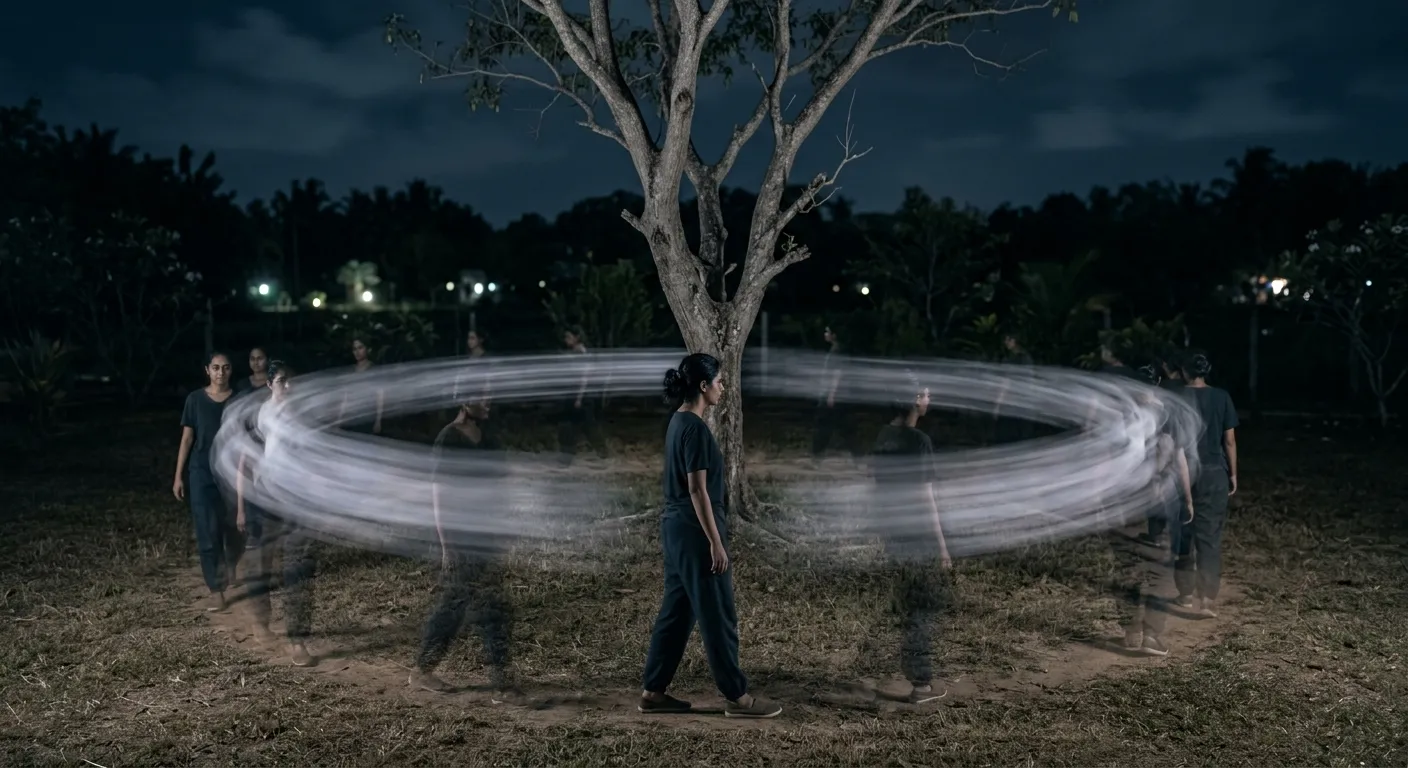
The Buddha analyzed what we call “person” into five constantly changing processes: form (rūpa), feeling (vedanā), perception (saññā), mental formations (saṅkhāra), and consciousness (viññāṇa). Clinging to any of these as “self” or “mine” creates suffering. Through insight meditation, practitioners observe each aggregate arising separately, revealing no “self” behind them, only impersonal processes. Advanced meditators show neural decoupling of self-related processing, suggesting the brain stops reifying the aggregates into a unified self.
Form and Body (Rupa)
Rūpa is the aggregate of form, the physical body and material elements. It is not “self” but a changing process, impermanent and dependently arisen. Through insight meditation, practitioners observe bodily sensations – rising, falling, pressure, heat, without identification. Modern research on enteroception shows that mindfulness training modulates the insula, enhancing awareness of internal bodily states.
Vedanā is the feeling tone of experience, pleasant, unpleasant, or neutral. It is not emotion but the raw affective quality that precedes reaction. Through insight meditation, practitioners note “pleasant,” “unpleasant,” or “neutral” without grasping or resisting. Research shows that this practice reduces amygdala reactivity and enhances emotional regulation.
Saññā is perception, the recognition and labeling of experience. It is not “self” but a process of categorization. Through insight meditation, practitioners observe how perception shapes experience, and how it can be seen as impersonal. Cognitive science describes perception as an active, constructed process, paralleling the Buddhist analysis.
Saṅkhāra are mental formations, the habitual cognitive, emotional, and volitional patterns that shape experience. The Buddha taught that these formations are not fixed; they can be observed and released. Through insight meditation, practitioners note the arising of these patterns without reacting, gradually weakening their grip. Neuroscience confirms neuroplasticity, the brain’s capacity to change through deliberate practice.
Viññāṇa is consciousness, the bare knowing of experience. The Buddha taught that consciousness arises dependently, not as a permanent substance. Through insight meditation, practitioners observe consciousness arising at each sense door – “seeing,” “hearing,” “thinking” and vanishing immediately. Modern neuroscience similarly understands consciousness as an emergent property of neural processes.