The Buddha's Teachings, Tested by Practice and Science
Research on Mindfulness, Insight & the Brain
Science of Meditation
Modern science is beginning to map what meditators have reported for millennia. This section curates peer-reviewed research on mindfulness, insight meditation, and the Buddha’s teachings, with honest caveats about what science can and cannot prove. The goal is not to “prove Buddhism” but to explore where empirical inquiry and contemplative practice converge.
Science & Meditation
Science can measure changes in the brain, stress hormones, attention, and behavior. It cannot measure enlightenment. This page explains the difference between correlation and causation, why first-person experience matters, and how to read scientific studies on meditation critically.
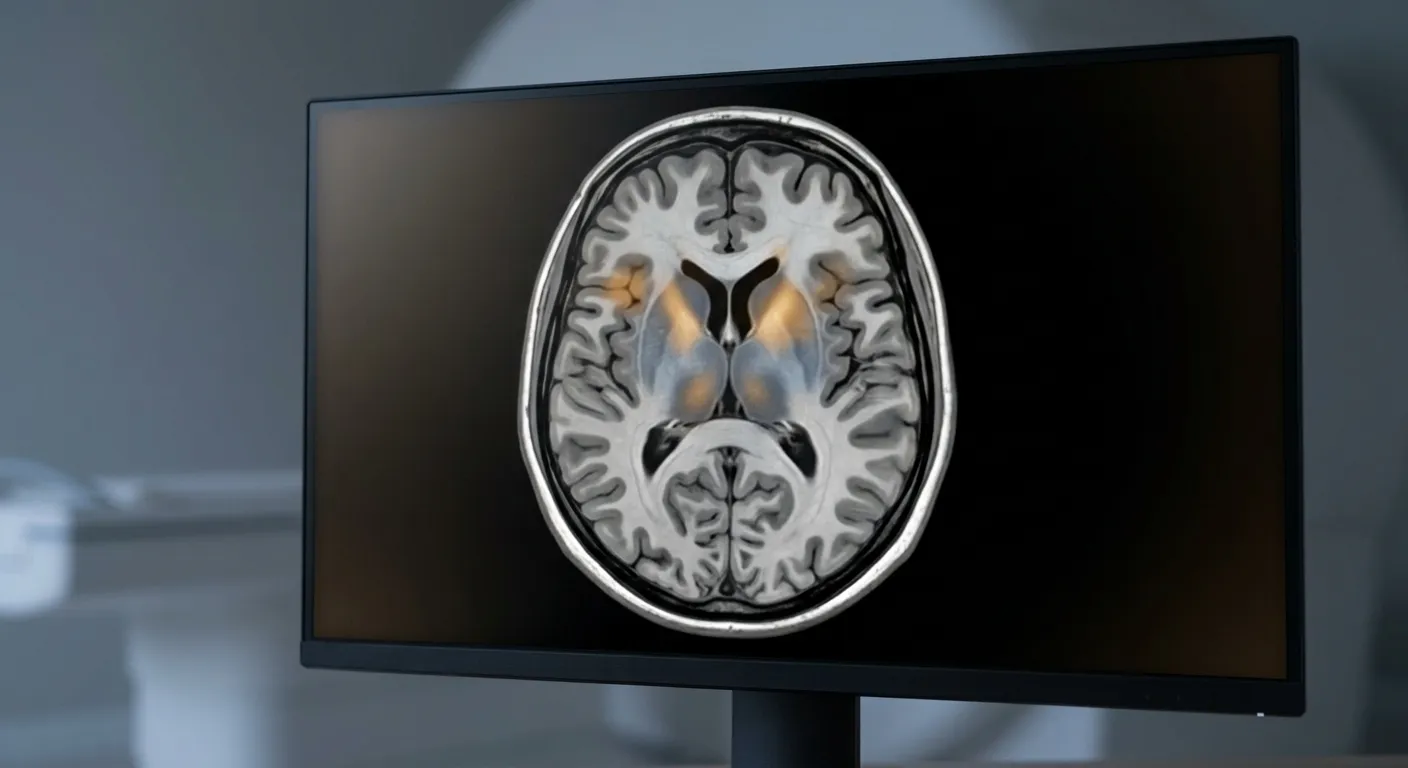
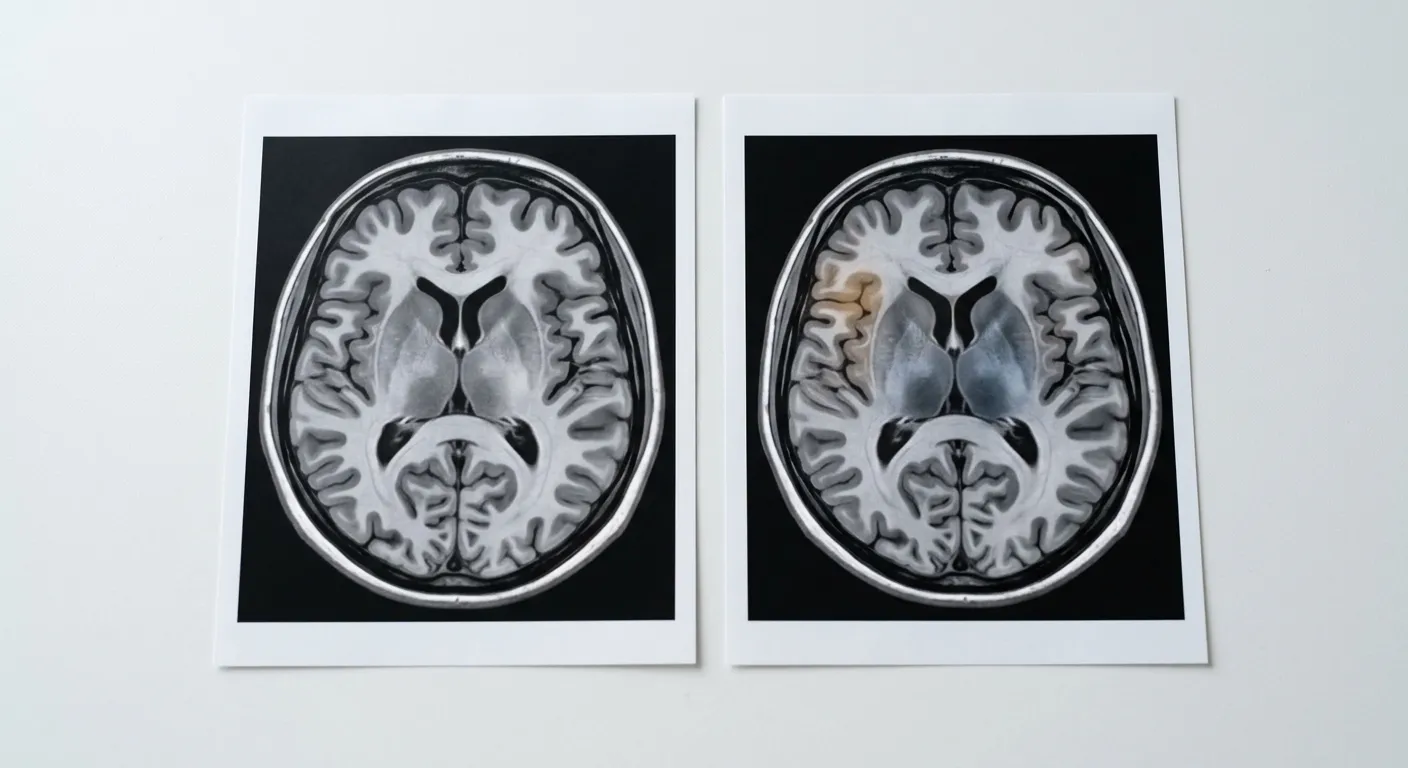
Brain imaging studies show that meditation changes the brain. Long-term practitioners exhibit altered activity in regions involved in attention, interoception, emotional regulation, and self-processing. This page summarizes key findings.
This page organizes scientific studies by the Buddhist teaching they relate to the Three Characteristics, the Five Aggregates, and Dependent Origination. Each entry summarizes the study, provides the citation, and notes the caveats.
Science has limitations, small sample sizes, publication bias, cultural bias, and the hard problem of consciousness. This page honestly examines what meditation research can and cannot tell us.