
The Buddha's Teachings, Tested by Practice and Science

Core Teachings, Mindfulness Practice & Science
The Evidence Map is the heart of Empirical Dharma, linking the Buddha’s three core teachings to specific mindfulness and insight meditation instructions, and to peer-reviewed scientific research. Filter by teaching, by practice stage, or by scientific domain. Each row connects three worlds, the ancient text, the living practice, and the modern lab. This is not proof. It is a map of convergence.
Tilakkhaṇa — The Three Characteristics

What It Is
The Tilakkhaṇa, the Three Characteristics, is the Buddha’s most fundamental framework for understanding reality. It describes three qualities that mark all conditioned phenomena, everything that arises dependent on causes and conditions. These three are,
Anicca — Impermanence , Dukkha — Unsatisfactoriness, Anattā — Non-Self
These three are not separate doctrines. They are three facets of one direct seeing.
Why It Matters
The Tilakkhaṇa is not abstract philosophy. It is a practical diagnosis of the human condition. We suffer because we cling to what is changing, seek lasting satisfaction in what cannot provide it, and defend a “self” that is actually a flowing process. Seeing these three characteristics directly, not as beliefs but as observations, is the insight that liberates.

How It Is Realized in Practice
In the Mahasi Sayadaw tradition, the Three Characteristics are not contemplated as ideas. They are observed as direct experiences,
Anicca is seen as sensations arise and dissolve, moment by moment, the rising and falling of the abdomen, the vanishing of a sound, the passing of a thought.
Dukkha is seen as the mind reacts to pleasant and unpleasant sensations, revealing the inherent unsatisfactoriness of clinging.
Anattā is seen as each experience arises independently, “hearing,” “thinking,” “feeling”—with no controller behind them.
As concentration deepens, the meditator reaches the Knowledge of Arising and Passing Away (udayabbaya-ñāṇa), where impermanence becomes vivid. Later, the Knowledge of Dissolution (bhaṅga-ñāṇa) reveals the vanishing of all phenomena. Through these stages, the Three Characteristics are seen not as concepts but as living realities.
What Science Says
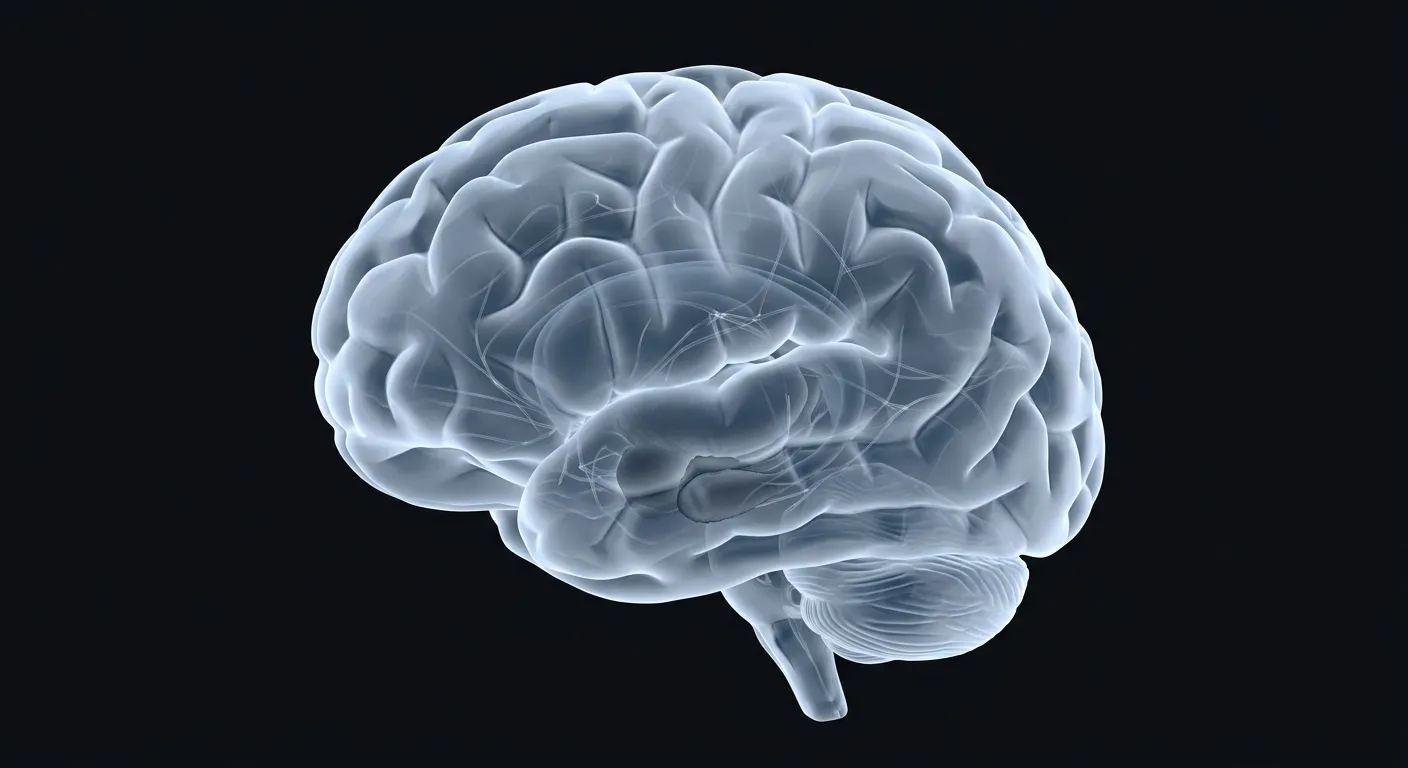
Modern neuroscience is beginning to map what meditators have reported for millennia:
Impermanence: Brain imaging shows decreased activity in the default mode network (DMN) during advanced meditation, the network associated with the narrative sense of a continuous self. EEG studies show altered brainwave patterns during deep concentration and insight.
Dukkha: Research on emotional regulation shows that meditation training reduces amygdala reactivity and enhances prefrontal engagement, correlating with reduced reactivity to pleasant and unpleasant stimuli.
Anattā: Neuroimaging studies show that advanced meditators exhibit decreased activity in regions associated with self-referential processing, suggesting the brain stops reifying the aggregates into a unified self.
These findings are correlational, based on small samples, but they show that the brain does not construct a permanent self or a stable world, and that meditation training can alter how experience is processed.